If you care about making the world a better place, it's natural to ask: "where will my donations do the most good?"
The good news is that your donations can have an enormous impact.
To make the most of that impact, you need to give carefully and wisely. This matters all the more because the best charities are often 10 times better than the average charity in the same field, and hundreds of times better than poorly performing ones. Some charities can even do harm. This means that by giving 100 euros to the best charity, you can do even more good than someone who gives 1,000 euros to a typical charity or 10,000 euros to a poorly performing one.
On this page we explain how to evaluate charities and give examples of effective ones.
The purpose of charity is to help others. Donating wisely means thinking through how each euro you give can help the most.
To help with that, we've put together some guidelines to keep in mind when donating.
The most pressing cause areas are generally:
Signs of an effective organisation:
In general, we recommend donating to expert-led funds rather than to specific charities, because funds can direct donations where and when they are needed most.
In practice, choosing a cause area and evaluating funds and charities can take a lot of time and effort, and many donors can't fit it into their schedules. To help you get started, we've compiled a list of trustworthy and cost-effective funds and charities working on the most pressing cause areas.
We highlight three cause areas where, based on the principles above, we recommend donating.
We draw on the research of Giving What We Can and Coefficient Giving, and for climate change on Giving Green.

In 2024, more than 800 million people lived in extreme poverty, defined as living on less than 3 US dollars a day. That figure is already adjusted for what a dollar can buy in a higher-income country compared with a lower-income one. Millions of people die every year from preventable and treatable diseases such as tuberculosis, malaria and diarrhoea. In 2024, about 4.9 million children died before their fifth birthday, around 13,000 every day. These deaths (and the suffering caused by disease) can be prevented with proven treatments and other interventions.
Fortunately, there is a lot we can do. On Anneta Targalt we recommend charities that improve human wellbeing and where your donations can make a significant difference.

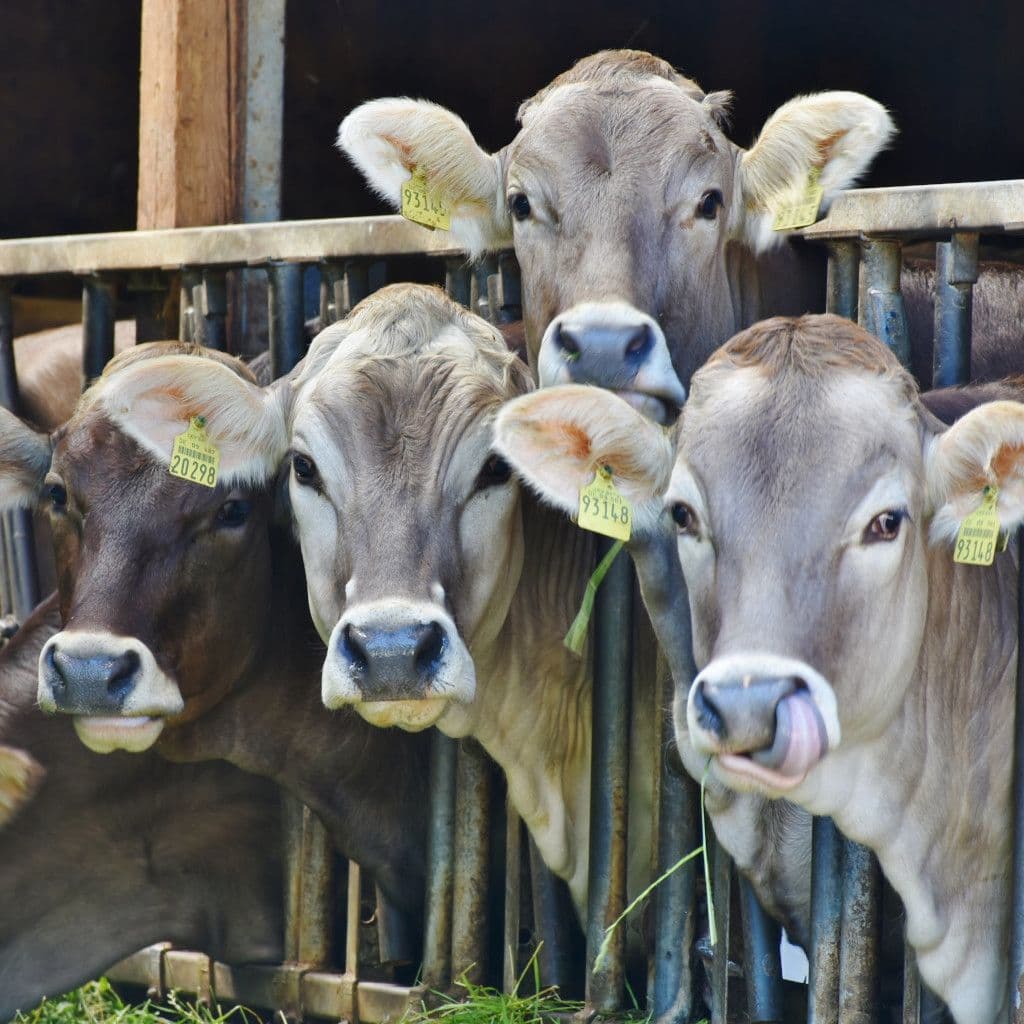
If you want to reduce suffering in the world, no matter who experiences it, animal welfare may be an important area for you to support. Every year more than 80 billion land animals are slaughtered for food, most of them raised on factory farms, while countless wild animals suffer in nature.

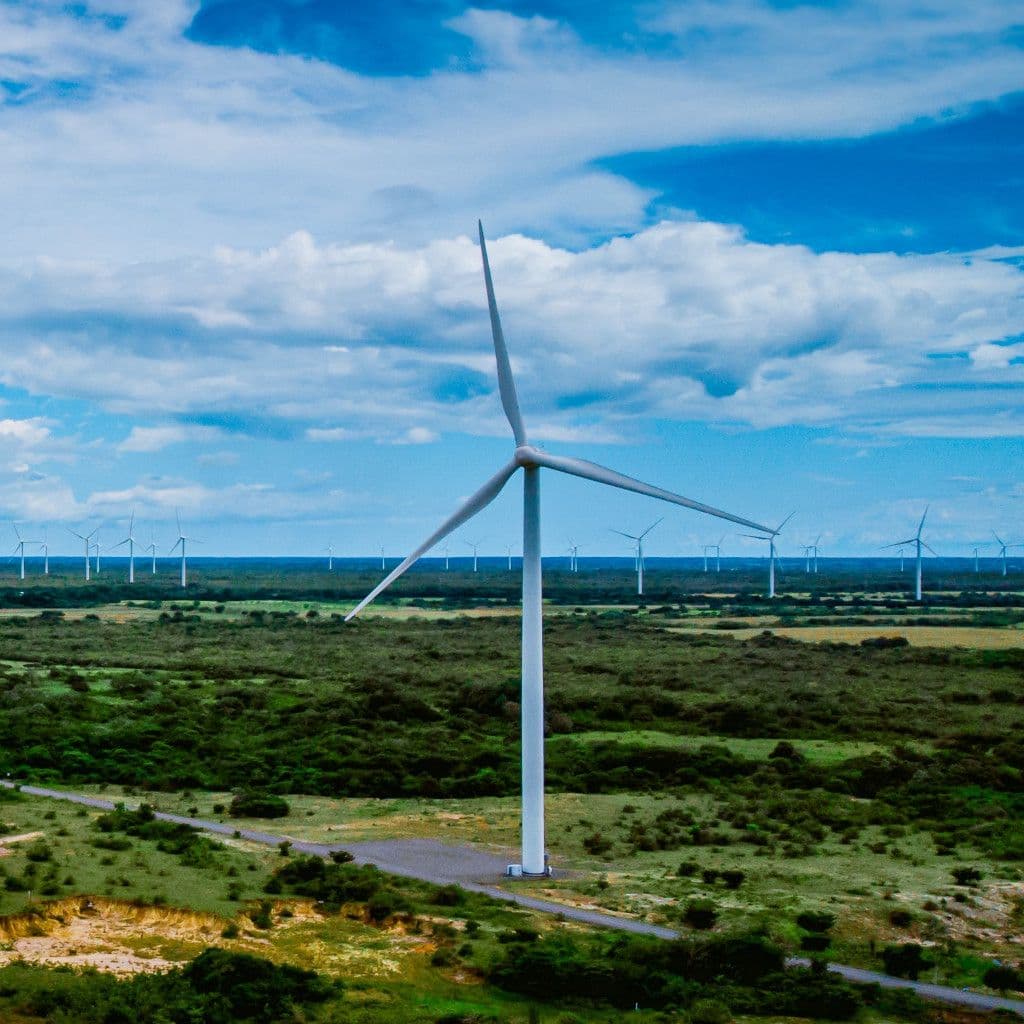
Human-caused climate change is a significant and lasting change in the Earth's climate as a result of human activity. One of the main causes is the excess release into the atmosphere of greenhouse gases such as carbon dioxide and methane, through burning fossil fuels, deforestation and agriculture. These gases trap the sun's heat in the Earth's atmosphere, creating the so-called greenhouse effect, which raises the planet's temperature. Since the beginning of the Industrial Revolution, human activity has raised the average global temperature by about 1.4°C (as of 2025).
Climate change is worrying because it has many serious consequences. For example, sea levels are rising and flooding coastal areas, extreme weather is becoming more frequent and more intense, and ecosystems are being destroyed. It also affects the global food supply and threatens biodiversity.